
Introduction
There’s a clear shift happening in how people approach short-distance travel, and bikesly sits right in the middle of it. Not as a trend, not as hype, but as something that actually makes daily movement easier, cheaper, and more practical. The difference is subtle at first. Then it becomes obvious: once bikesly enters the picture, traditional cycling starts to feel outdated.
Why bikesly fits into real urban life
Most people don’t care about cycling culture. They care about getting somewhere without wasting time or money. That’s exactly where bikesly stands out.
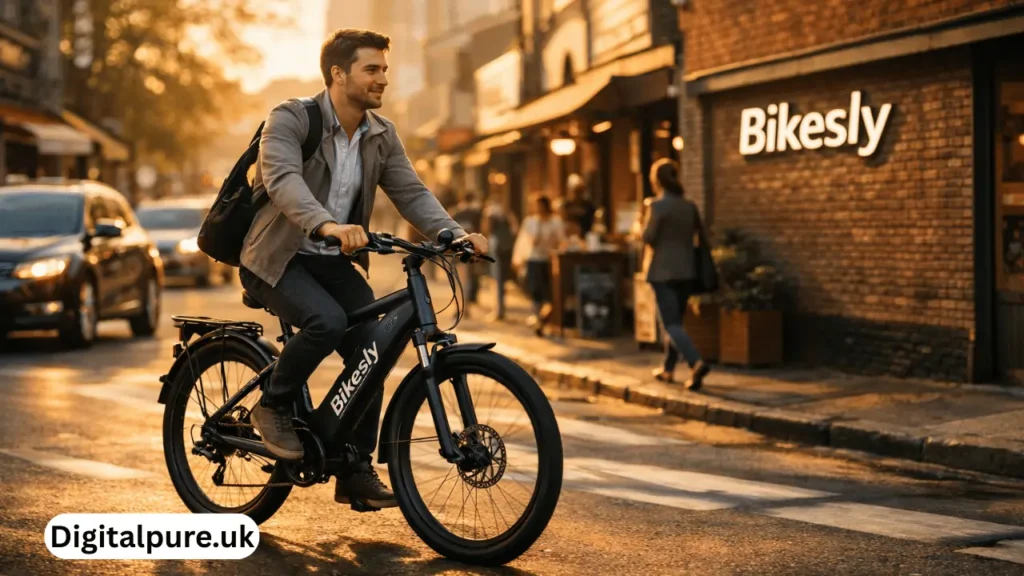
Instead of treating cycling like a hobby, bikesly treats it like infrastructure. You see it in how people use it for short commutes, quick errands, and even daily work routes. In dense cities, where traffic isn’t just annoying but unpredictable, bikesly becomes less of an option and more of a reliable fallback.
The real advantage isn’t speed alone. It’s consistency. A car might be faster on paper, but in practice, bikesly often wins because it avoids traffic entirely. No waiting, no rerouting, no fuel stops. Just movement.
And once someone experiences that level of control over their commute, it’s hard to go back.
The quiet rise of bikesly-powered e-bikes
Electric bikes used to feel like a niche category. That’s changed. Bikesly plays a big role in pushing e-bikes into everyday use, especially for people who don’t want to arrive at work exhausted.
The appeal is simple:
- You can travel longer distances without physical strain
- You don’t need peak fitness to ride regularly
- Hills stop being a problem
But what actually matters is how bikesly integrates this into daily routines. People aren’t buying e-bikes for fun anymore. They’re replacing short car trips.
A 5 km ride that used to feel inconvenient suddenly becomes effortless. And that changes behavior fast.
bikesly and the shift toward smarter cycling systems
Cycling isn’t just about the bike anymore. The systems around it matter just as much. Bikesly connects with that idea by blending physical movement with digital access.
Think about how people interact with transport today. Everything is app-based, trackable, and immediate. Bikesly follows that pattern. Whether it’s unlocking a bike, tracking routes, or managing parking, the experience feels closer to using a service than owning a tool.
That shift matters.
Ownership used to be the goal. Now access is enough. Bikesly supports that mindset by making cycling feel like something you can tap into, not commit to long-term.
Where bikesly actually makes a difference
It’s easy to talk about benefits in theory. What matters is where bikesly changes real decisions.
Daily commuting is the strongest example. People who live within 3 to 10 kilometers of work often sit in traffic longer than it would take to cycle. Bikesly cuts that friction instantly.
Delivery work is another space where bikesly proves its value. Riders can move faster through crowded streets, avoid parking issues, and reduce operating costs. Over time, that difference isn’t small—it’s the entire margin.
Even casual use cases matter. Quick trips to a nearby store, meeting a friend, or just avoiding a congested road. Bikesly fits naturally into those moments without needing planning.
The cost argument is impossible to ignore
Fuel prices fluctuate. Maintenance costs don’t disappear. And car ownership keeps getting more expensive.
Bikesly cuts through that problem in a very direct way.
Charging an e-bike costs almost nothing compared to fueling a car or even a motorcycle. Maintenance is simpler. Fewer moving parts, fewer things that can go wrong. Over time, bikesly becomes less of a purchase and more of a cost-saving decision.
That’s why adoption doesn’t need convincing. Once people calculate their monthly expenses, the decision starts making itself.
bikesly and the reality of crowded cities
In cities like Karachi, congestion isn’t just an inconvenience—it’s part of daily life. Roads are packed, parking is limited, and travel times are unpredictable.
Bikesly works because it doesn’t try to compete with that system. It bypasses it.
Narrow streets, shortcuts, and flexible routes suddenly become usable. What used to be blocked becomes accessible. And that changes how people plan their day.
Instead of leaving early to “beat traffic,” people rely on bikesly to stay consistent regardless of conditions.
That reliability is what keeps people coming back.
The difference between bikesly and traditional cycling
Traditional cycling often comes with friction. Physical effort, limited range, and lack of integration with modern tools.
Bikesly removes those barriers one by one.
You don’t need to worry about arriving sweaty. You don’t need to calculate whether you have enough energy for the return trip. And you don’t need to treat cycling as a workout unless you want to.
It becomes practical first. Everything else is optional.
That shift in mindset is what separates bikesly from older cycling habits.
Why bikesly aligns with how people live now
People expect convenience. Not in a vague sense, but in very specific ways:
- Immediate access
- Minimal effort
- Predictable outcomes
Bikesly matches those expectations.
You can start a ride quickly, finish it without hassle, and move on with your day. No long preparation, no complicated setup. It fits into existing routines instead of disrupting them.
That’s why it doesn’t feel like a lifestyle change. It feels like an upgrade.
The limitations people don’t talk about
Bikesly isn’t perfect. And pretending it is would miss the point.
Weather still matters. Heavy rain or extreme heat can make riding uncomfortable. Infrastructure gaps also exist. Not every area is designed with cyclists in mind.
Safety concerns come up too. Without proper lanes or awareness, riding can feel risky in certain areas.
But here’s the important part: none of these issues cancel out the value. They just shape where and how bikesly is used.
Most people adapt. They choose routes carefully, ride during better conditions, and treat bikesly as one option among several.
What happens next with bikesly
The trajectory is clear. Bikesly isn’t slowing down because it solves real problems without adding complexity.
As cities grow more crowded and costs continue rising, the appeal becomes stronger. Not because of marketing or hype, but because the alternative keeps getting worse.
Expect to see bikesly expand in two directions:
- Better integration with digital tools
- Wider adoption in everyday commuting
The technology will improve, but the core idea won’t change. Simple, reliable movement from point A to point B.
Conclusion
Bikesly works because it respects how people actually live. It doesn’t ask for commitment, lifestyle changes, or effort beyond what’s reasonable. It just offers a better way to move through spaces that were already frustrating.
And once someone experiences that shift—even once—it’s hard to ignore how inefficient everything else feels.
That’s the real impact of bikesly. Not loud, not dramatic, but persistent enough to change habits over time.
FAQs
1. Is bikesly practical for daily commuting in busy cities?
Yes, especially for short to medium distances. It avoids traffic delays and offers more predictable travel times compared to cars or motorcycles.
2. How does bikesly handle longer distances?
With e-bike support, longer distances become manageable. Riders can travel further without exhaustion, making it suitable for extended commutes.
3. Does bikesly require owning a bike?
Not always. Some systems allow shared access or rentals, which means you can use bikesly without committing to ownership.
4. What are the main cost advantages of bikesly?
Lower fuel costs, minimal maintenance, and reduced dependency on expensive transport options make bikesly financially appealing over time.
5. Is bikesly safe to use in high-traffic areas?
Safety depends on infrastructure and awareness. Choosing safer routes and riding carefully can significantly reduce risks.
You May Also Read: Newsakmi: How Smart SEO and Content Strategy Drive High Traffic Growth