
Introduction
If you’re expecting an easy, low-maintenance pet, a pomerusky will disappoint you fast. This is not a decorative dog you can ignore for half the day and expect it to stay quiet and polite. A pomerusky demands attention, structure, and a bit of patience—but in return, it offers personality that feels almost human.
That trade-off is exactly why some people fall in love with the breed while others regret the decision within months.
The appeal is obvious—but slightly misleading
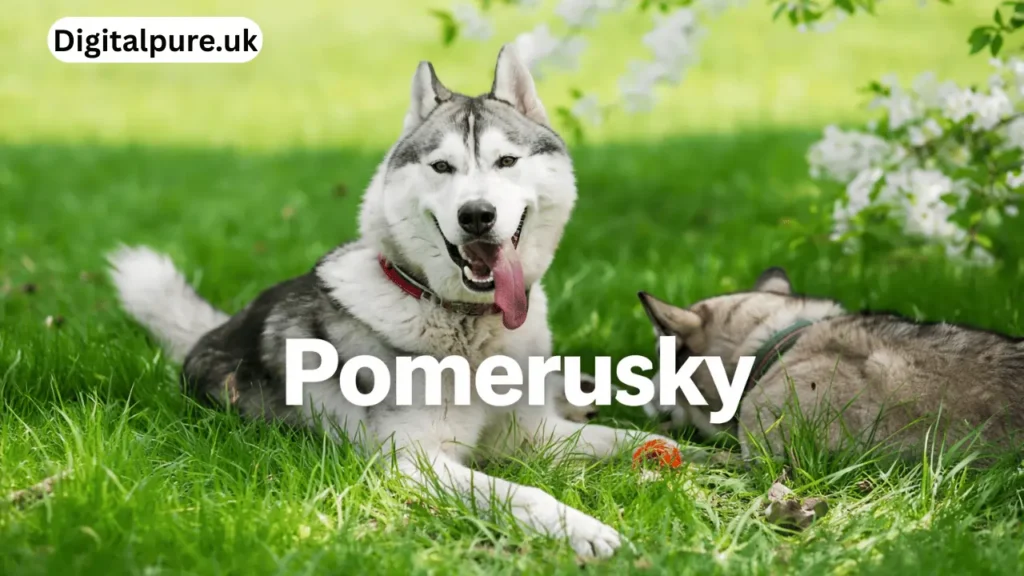
At first glance, a pomerusky looks like a miniature wolf with a plush toy finish. That visual alone has driven its popularity online, but appearance is only half the story.
The reality is more complicated.
A pomerusky doesn’t behave like a scaled-down husky. It doesn’t behave like a calm lap dog either. Instead, it sits in an awkward middle ground—small enough for apartment life, but energetic enough to challenge that lifestyle daily.
This mismatch is where most owners either adapt or fail.
Size doesn’t equal simplicity
One of the biggest mistakes people make with a pomerusky is assuming smaller size equals easier care.
It doesn’t.
A pomerusky can weigh anywhere between 12 to 35 pounds, but its energy level often mirrors that of a much larger working dog. That means daily walks aren’t optional. Mental stimulation isn’t optional either.
Skip both, and the dog will find its own entertainment—usually at your expense.
Chewed furniture, nonstop barking, and restless pacing aren’t signs of a “bad dog.” They’re signs of an under-stimulated pomerusky.
Personality: smart, stubborn, and a little dramatic
Living with a pomerusky feels less like owning a pet and more like negotiating with a clever roommate.
They learn commands quickly. That’s the good part.
The frustrating part is that they also decide when those commands are worth following.
This isn’t a dog that blindly obeys. A pomerusky often pauses, evaluates, and then either cooperates—or ignores you completely.
That independent streak comes straight from its husky side, while the expressive, attention-seeking behavior leans toward its smaller parent lineage.
The result is a dog that can be charming one minute and incredibly stubborn the next.
Grooming is not optional—it’s a commitment
A pomerusky sheds. A lot.
Not occasionally. Not lightly. Consistently.
The thick double coat looks great in photos, but it comes with real upkeep. Brushing several times a week is the bare minimum if you want to avoid mats and excessive shedding around your home.
Seasonal shedding periods can feel overwhelming. Hair ends up on clothes, furniture, and even places you didn’t think possible.
If you’re someone who values a spotless home, a pomerusky will test that preference constantly.
Training isn’t difficult—but it requires consistency
A pomerusky is intelligent enough to learn quickly, but intelligence alone doesn’t guarantee good behavior.
Consistency is what makes the difference.
Short, structured training sessions work best. Harsh methods don’t. This breed responds far better to positive reinforcement—treats, praise, and repetition.
The mistake people make is stopping training too early.
A pomerusky doesn’t “graduate” from training after a few weeks. It needs ongoing reinforcement, or it starts rewriting the rules on its own.
Not ideal for passive owners
Some dogs adjust to your lifestyle. A pomerusky expects you to adjust to theirs.
If your routine is mostly sedentary, this breed will feel like a burden. It needs engagement—walks, playtime, interaction.
Ignoring that need doesn’t make it disappear. It amplifies behavioral issues.
This is why a pomerusky works best for people who actually enjoy spending time with their dog, not just owning one.
Cost goes beyond the purchase price
The upfront price of a pomerusky can be high, but that’s only the beginning.
Ongoing costs add up quickly:
- Grooming tools or professional grooming sessions
- High-quality food to support energy levels and coat health
- Vet visits for common joint or allergy issues
- Training resources, especially in the early months
People who focus only on the purchase price often underestimate the long-term financial commitment.
Health: generally strong, but not risk-free
A pomerusky often benefits from hybrid vigor, but that doesn’t mean it’s immune to health issues.
Joint problems can appear, especially if exercise isn’t managed properly during growth stages. Allergies are another concern, particularly with skin and coat sensitivity.
Regular vet care isn’t optional here. Early detection matters.
Ignoring small issues tends to lead to bigger, more expensive problems later.
Apartment living: possible, but conditional
A pomerusky can live in an apartment, but only under the right conditions.
Space isn’t the main issue—activity is.
If you’re willing to provide daily exercise and mental stimulation, apartment life can work. Without that effort, the dog becomes restless and vocal.
Noise complaints are common among owners who underestimate this aspect.
Social behavior: friendly, but not effortless
A well-socialized pomerusky can be great with people and other pets.
The keyword there is “well-socialized.”
Without early exposure to different environments, sounds, and situations, this breed can become reactive or overly cautious.
That doesn’t fix itself over time. It requires intentional effort during the early stages.
Why people still choose a pomerusky
Despite the challenges, the appeal remains strong—and for good reason.
A pomerusky offers:
- A striking, unique appearance
- High intelligence and awareness
- Strong emotional connection with owners
- Playful, engaging personality
For the right person, these traits outweigh the effort required.
But that “right person” isn’t everyone.
The reality most breeders won’t emphasize
Breeders often highlight the looks and personality, but they rarely stress the daily commitment required.
That’s where expectations break.
A pomerusky is not a casual pet. It’s an active, demanding companion that requires time, structure, and attention.
When those needs are met, the experience is rewarding.
When they’re ignored, the experience becomes frustrating—for both the owner and the dog.
Conclusion
A pomerusky isn’t difficult because it’s flawed—it’s difficult because it’s misunderstood.
People expect convenience and get complexity instead.
If you’re willing to match its energy, stay consistent with training, and accept the grooming demands, a pomerusky becomes more than just a pet. It becomes a constant presence in your daily life—engaging, unpredictable, and impossible to ignore.
If not, it quickly turns into a responsibility that feels heavier than expected.
The difference comes down to one question: are you prepared to meet the dog halfway?
FAQs
1. How much daily exercise does a pomerusky actually need?
At least 45–60 minutes of active movement, plus some mental stimulation. A quick walk isn’t enough.
2. Does a pomerusky bark a lot?
Yes, especially if bored or under-stimulated. Training and activity can reduce it, but not eliminate it completely.
3. Is a pomerusky suitable for first-time dog owners?
Only if they’re willing to invest time in training and understand the commitment. Otherwise, it can feel overwhelming.
4. How often should a pomerusky be groomed?
Brushing several times a week is necessary, with more frequent care during shedding seasons.
5. Can a pomerusky stay alone during the day?
Short periods are fine, but long hours alone often lead to anxiety and destructive behavior.
You May Also Read: Gayfortans: Inside the Rise of High-Value Creator Platforms Driving Loyal Audiences and Real Income