
Introduction
There’s something refreshing about how neatlanta feels less like a label and more like a point of view. It doesn’t try to impress with noise. It leans into clarity, intention, and a kind of urban confidence that doesn’t need constant validation. That alone makes it worth paying attention to.
A cleaner identity without losing edge
Cities usually struggle with balance. They either polish themselves into something sterile or lean too hard into chaos and call it culture. neatlanta sits somewhere in between, and that’s where it gets interesting.
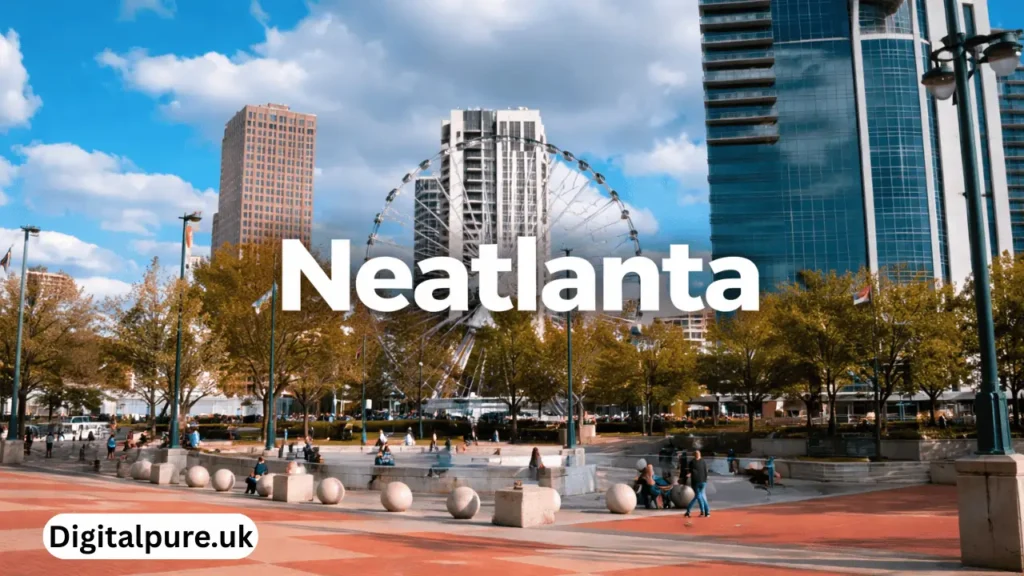
Instead of copying the loud, overbuilt identity of major urban centers, neatlanta carries a quieter sense of control. Streets feel intentional. Spaces feel curated but not artificial. The experience isn’t about overwhelming visitors—it’s about making them stay longer.
That distinction matters.
In neatlanta, design choices tend to reflect purpose. Public spaces aren’t just decorative; they’re usable. Cafes don’t just look aesthetic; they function as social anchors. Even the digital presence tied to neatlanta follows this pattern—clean, direct, and built for actual engagement instead of empty traffic.
Culture that doesn’t try too hard
The strongest cultural movements don’t beg for attention. They build their own gravity. neatlanta works in a similar way.
Music, street art, and local fashion all exist within this ecosystem, but they aren’t forced into a single narrative. That’s where traditional city branding often fails—it tries to package culture into something exportable. neatlanta doesn’t rush that process.
You’ll notice it in small details:
- Murals that feel personal instead of commissioned for attention
- Events that grow through community, not heavy promotion
- Creators who prioritize identity over virality
That restraint gives neatlanta a different kind of credibility. It feels lived-in rather than staged.
Why neatlanta resonates with younger audiences
Younger audiences are quick to reject anything that feels manufactured. They’ve grown up surrounded by marketing, so they spot it instantly. neatlanta works because it avoids that trap.
There’s a sense of ownership baked into it. People don’t feel like they’re consuming a brand—they feel like they’re part of something evolving. That’s a powerful shift.
Social media plays a role here, but not in the usual way. Instead of pushing polished campaigns, neatlanta shows up through raw, real moments:
- Local creators documenting daily life
- Small businesses building loyal followings
- Neighborhood stories that don’t need editing to feel compelling
This kind of visibility builds trust. And trust is harder to earn than attention.
The design philosophy behind neatlanta spaces
Walk through areas associated with neatlanta and you’ll start to notice patterns. Not trends—patterns.
There’s a focus on:
- Walkability
- Open layouts
- Mixed-use environments
But what stands out isn’t just the structure. It’s the intention behind it.
Spaces aren’t overcrowded with features. There’s breathing room. That alone changes how people interact with their surroundings. Instead of rushing through environments, they stay, observe, and engage.
That’s a subtle but important shift in urban behavior.
neatlanta doesn’t rely on spectacle. It relies on usability. And in the long run, usability always wins.
A digital identity that actually supports the real world
A lot of city-driven narratives fall apart online. They look good in photos but don’t translate into real experiences. neatlanta avoids that disconnect.
Its digital presence mirrors its physical one:
- Clean layouts
- Direct messaging
- Minimal clutter
This consistency matters more than people realize. When someone encounters neatlanta online and then experiences it in person, there’s alignment. No confusion. No mismatch.
That kind of coherence builds long-term credibility.
It also opens the door for independent creators and businesses to plug into the ecosystem without feeling overshadowed. Everyone operates within the same visual and cultural language, but there’s still room for individuality.
The business angle people overlook
Most discussions around neatlanta focus on culture or aesthetics. That misses a big part of the picture.
There’s a clear business advantage tied to this kind of identity.
Small businesses thrive in environments where:
- Foot traffic is steady, not chaotic
- Customers linger instead of rushing
- Spaces encourage repeat visits
neatlanta supports all three.
Instead of chasing volume, businesses benefit from consistency. A smaller, loyal customer base often outperforms large, unpredictable crowds. neatlanta seems to understand that.
You can see it in how local brands position themselves. They don’t try to appeal to everyone. They build depth instead of reach.
That approach creates stronger foundations.
neatlanta as a framework, not a fixed idea
What makes neatlanta sustainable is its flexibility. It isn’t locked into one definition or direction.
It can expand without losing its core because that core isn’t rigid. It’s based on principles:
- Intentional design
- Authentic culture
- Functional spaces
As long as those principles hold, neatlanta can evolve.
That adaptability is rare. Most city identities break under pressure because they’re too narrowly defined. neatlanta leaves room for growth without losing coherence.
Where neatlanta could lose its edge
No concept is immune to dilution. neatlanta faces that risk like anything else.
The biggest threat isn’t criticism—it’s imitation without understanding.
When developers or brands try to replicate neatlanta superficially, they often focus on aesthetics instead of substance. Clean visuals without functional design. Trendy spaces without community roots.
That’s where things fall apart.
If neatlanta turns into a checklist—minimal design, curated spaces, social media presence—it loses what made it work in the first place.
The strength of neatlanta comes from intention. Remove that, and it becomes just another forgettable trend.
The role of community in keeping it grounded
neatlanta doesn’t survive on design alone. Community plays a central role.
Local voices shape the direction. Not through formal systems, but through everyday participation:
- Supporting local businesses
- Creating content that reflects real experiences
- Contributing to shared spaces
This organic involvement keeps neatlanta from becoming detached.
It also creates accountability. When people feel ownership, they push back against changes that don’t align with the identity.
That kind of self-regulation is hard to manufacture. neatlanta benefits from it naturally.
Why neatlanta stands out in a crowded landscape
Most urban identities compete for attention. They aim to be louder, bigger, more visible.
neatlanta takes a different route.
It focuses on clarity instead of volume. Experience instead of spectacle. Depth instead of reach.
That’s why it stands out.
People remember places that feel intentional. They return to environments that respect their time and attention. neatlanta delivers on both.
And it does it without trying too hard.
Conclusion
neatlanta works because it doesn’t chase approval. It builds something solid and lets people come to it. That’s a harder path, but it creates stronger results.
If it stays grounded in intention and avoids turning into a hollow aesthetic, neatlanta won’t just stick around—it’ll quietly outperform louder, flashier ideas that burn out fast.
The real question isn’t whether neatlanta will grow. It’s whether it can grow without losing the discipline that made it matter in the first place.
FAQs
1. What makes neatlanta different from other city identities?
It prioritizes intention over attention. Instead of trying to impress quickly, it builds spaces and experiences that hold up over time.
2. Is neatlanta driven more by culture or design?
Both matter, but design sets the foundation. Culture grows naturally within spaces that are built to support it.
3. Can small businesses benefit from neatlanta?
Yes, especially those focused on consistency and customer experience rather than high-volume traffic.
4. Why does neatlanta appeal to younger audiences?
It feels real. There’s less polish and more authenticity, which makes it easier to trust and engage with.
5. What could weaken neatlanta over time?
Superficial imitation. If people copy the look without understanding the underlying intention, the entire concept loses its strength.
You May Also Read: Pomedario: Build Smarter Workflows That Maintain Focus and Continuous Progress