
Introduction
People scroll past strings like dn06lnh thinking they’re meaningless. That’s a mistake. Codes like this sit quietly inside systems that track, verify, and sometimes expose more than expected. dn06lnh isn’t interesting because it looks cryptic—it’s interesting because it isn’t.
The quiet structure behind dn06lnh
dn06lnh follows a pattern that doesn’t exist by accident. Anyone familiar with UK vehicle registrations will recognize the rhythm immediately. The first two letters point to a region. The numbers signal a registration period. The final letters separate one vehicle from another.
There’s nothing flashy about dn06lnh, but that’s exactly why it works. Systems built around identifiers rely on predictability. When something looks ordinary, it blends in. That’s how millions of records stay organized without drawing attention.
dn06lnh fits that structure cleanly. No anomalies, no irregular formatting. It behaves exactly how a properly issued identifier should behave.
Where dn06lnh actually shows up in the real world
You won’t find dn06lnh sitting in isolation unless someone intentionally puts it there. It shows up in places where data matters—vehicle records, inspection logs, insurance checks, and ownership histories.
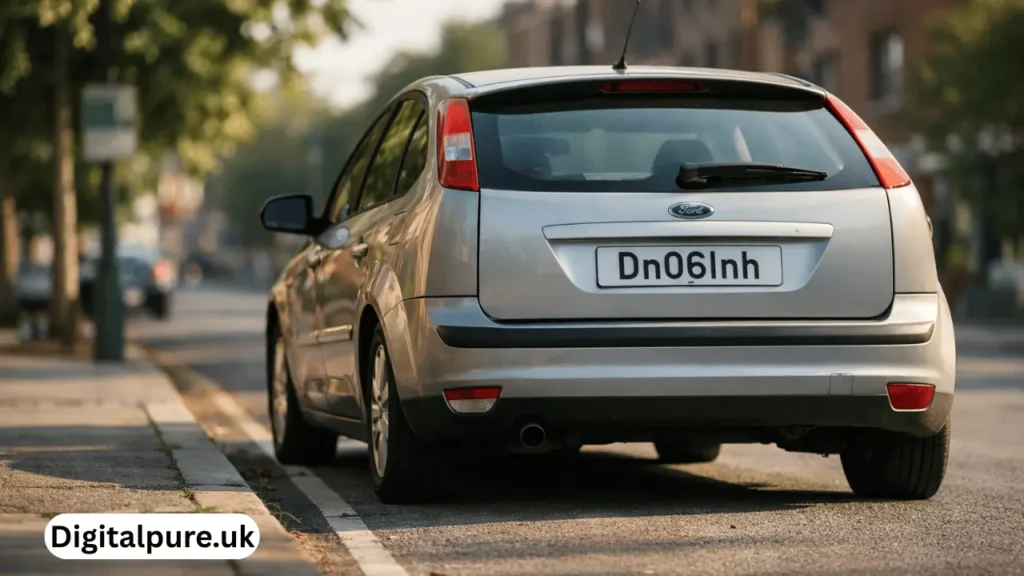
In one documented case, dn06lnh is tied to a mid-2000s vehicle, specifically a Ford Focus from 2006. That detail alone tells you how much information can sit behind a simple string. Engine size, fuel type, MOT history—everything links back once the identifier is entered into the right system.
And that’s the point. dn06lnh isn’t valuable by itself. It becomes valuable the moment it’s used as a key.
Why dn06lnh attracts attention online
There’s a pattern to what people search, and dn06lnh fits it perfectly. It looks obscure enough to trigger curiosity but structured enough to feel important.
That combination drives clicks.
People assume there’s a hidden meaning, a backstory, or something unusual behind dn06lnh. In reality, the appeal comes from contrast. It looks random, but it isn’t. That tension is enough to make someone stop scrolling and start searching.
Writers who understand this don’t treat dn06lnh as a mystery. They treat it as a doorway into systems people don’t usually think about.
dn06lnh and the power of searchable identifiers
What makes dn06lnh useful isn’t its format—it’s its role. Identifiers like this act as access points. Enter dn06lnh into the right database, and suddenly you’re not dealing with a code anymore. You’re dealing with a full record.
That includes:
- Registration details
- Technical specifications
- Compliance history
- Ownership changes
The code itself stays short. The data behind it doesn’t.
This is where dn06lnh becomes more than just a vehicle reference. It represents how modern record systems are built—compact on the surface, expansive underneath.
The developer angle most people ignore
Developers don’t see dn06lnh the same way casual users do. To them, it’s a perfect example of structured test data.
It has the right format. It looks real. It passes validation checks.
That’s exactly why strings like dn06lnh appear in testing environments. They simulate real-world inputs without exposing sensitive data. A system that handles dn06lnh correctly will likely handle actual user data correctly too.
This isn’t theory—it’s standard practice. And it explains why dn06lnh shows up in places that have nothing to do with actual vehicles.
When dn06lnh becomes more than just a reference
There’s a shift that happens when a code like dn06lnh gets repeated enough online. It stops being just a functional identifier and starts becoming content.
Blog posts mention dn06lnh. Forums speculate about it. Articles try to decode it, even when there’s nothing unusual to decode.
That repetition creates visibility. Visibility creates perceived importance.
And suddenly dn06lnh exists in two worlds at once:
- A practical identifier in structured systems
- A curiosity-driven topic in digital content
Most people only see one side.
The SEO angle nobody admits out loud
Let’s be honest—dn06lnh performs well as a keyword for one reason: it’s specific and uncontested.
There’s no competition from big brands. No overloaded search results. No established authority dominating the topic.
That makes dn06lnh a clean opportunity for content creators who know what they’re doing.
But here’s where most get it wrong. They try to overcomplicate it. They invent meaning, stretch interpretations, or write in circles just to fill space.
That approach fails because dn06lnh doesn’t need decoration. It needs context.
The strongest content around dn06lnh connects it to real systems, real use cases, and real behavior. Not speculation.
dn06lnh as a case study in digital behavior
If you step back, dn06lnh reveals something bigger than itself. It shows how people interact with unfamiliar information online.
When faced with something like dn06lnh, people don’t ignore it. They investigate. They search. They try to assign meaning.
That instinct drives entire sections of the internet. Curiosity isn’t just a reaction—it’s a habit.
And dn06lnh fits perfectly into that pattern because it sits right on the edge of recognition. It looks like it should mean something important.
That’s enough.
What dn06lnh says about data transparency
There’s another layer here that doesn’t get discussed enough. Codes like dn06lnh highlight how accessible certain types of data have become.
With the right tools, entering dn06lnh can reveal detailed information about a vehicle’s history. Not everything is hidden behind walls anymore.
That raises questions.
How much should be accessible?
Who controls that access?
Where’s the line between transparency and exposure?
dn06lnh doesn’t answer those questions, but it forces them into view.
Why ignoring dn06lnh misses the bigger picture
Dismissing dn06lnh as just another random string misses what’s actually happening underneath.
It’s part of a system that:
- Tracks real-world assets
- Connects data across platforms
- Enables verification at scale
That’s not trivial.
dn06lnh might look small, but it sits inside something much larger. Understanding that shift—from surface-level randomness to structured purpose—is what separates shallow content from useful insight.
Conclusion
dn06lnh doesn’t need hype, mystery, or overanalysis to matter. Its value comes from where it operates and how it’s used. The real takeaway isn’t about the code itself—it’s about the systems that rely on it and the behavior it triggers. Once you see that clearly, dn06lnh stops looking random and starts looking inevitable.
FAQs
1. Can dn06lnh be used to check a vehicle’s history?
Yes, entering dn06lnh into the right vehicle database can pull records like MOT history, registration details, and technical specs.
2. Why does dn06lnh appear on different websites?
Because it’s a valid structured identifier, dn06lnh is often reused in examples, test environments, and real data records.
3. Is dn06lnh unique to one vehicle?
In official systems, dn06lnh corresponds to a specific registered vehicle, making it unique within that database.
4. Why do developers use codes like dn06lnh?
They use formats like dn06lnh to simulate real data during testing, ensuring systems behave correctly without exposing actual user information.
5. Does dn06lnh have any hidden or secret meaning?
No hidden layer exists beyond its structured purpose, but its format and appearance often lead people to assume there’s more to it.
You May Also Read: Pxless: Designing Scalable Interfaces Without Fixed Pixel Constraints