
Introduction
There’s a certain kind of creative output that refuses to behave. It doesn’t align with grids, it ignores polish, and it looks like it might fall apart at any second. That’s where cray0lav0mit sits—and it doesn’t ask for approval. It grabs attention, sometimes aggressively, and forces a reaction whether you like it or not.
You don’t scroll past cray0lav0mit. You either stop or you flinch.
The Appeal of Controlled Chaos in a Polished Internet
The internet spent years chasing clean design. Flat UI, soft gradients, perfect spacing. Everything looked calm, predictable, and safe. Then something snapped. Creators started pushing back, and cray0lav0mit began showing up in places where perfection used to dominate.
Not because people forgot how to design—but because they got tired of pretending everything needed to look refined.
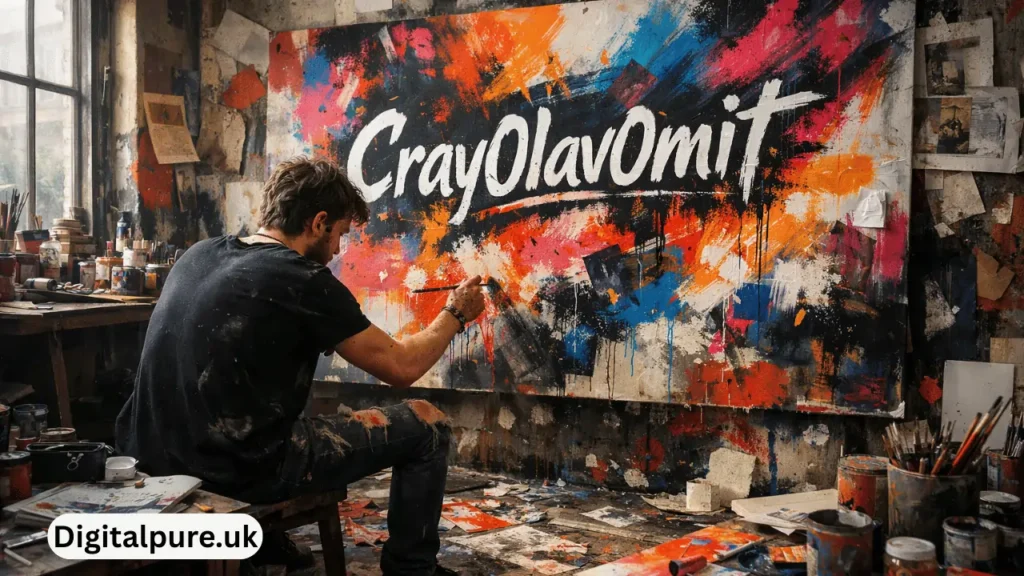
cray0lav0mit thrives in that tension. It borrows from mess, exaggeration, and emotional overload. Bright clashes of color, layered textures, distorted text. The kind of visuals that feel impulsive rather than calculated.
And yet, the irony is obvious: the best cray0lav0mit work is very intentional.
That’s the difference between noise and impact.
Why cr ay0lav0mit Feels More Honest Than Traditional Design
Most polished content hides effort. It smooths out mistakes and removes anything that feels too human. But cray0lav0mit goes in the opposite direction—it exposes the process, the rough edges, the chaos behind the creation.
That’s why it connects.
People recognize something real in it. Not perfect. Not filtered. Not overly curated.
When someone uses cray0lav0mit in a digital poster or a social media visual, it doesn’t feel like it came out of a corporate template. It feels personal. Even when it’s loud, even when it’s messy.
Especially then.
The Visual Language That Breaks the Rules
cray0lav0mit isn’t tied to one fixed style, but it does follow a recognizable pattern if you pay attention.
It leans into extremes.
Color palettes aren’t balanced—they collide. Typography doesn’t sit quietly—it competes for attention. Layers overlap in ways that feel almost accidental, yet strangely cohesive.
You’ll often see:
- Harsh contrasts instead of smooth transitions
- Text that looks distorted, stretched, or glitched
- Elements stacked without traditional spacing rules
- A mix of digital and hand-drawn textures
But copying those elements doesn’t automatically create cray0lav0mit. The difference lies in intention. Random chaos is forgettable. Directed chaos sticks.
That’s why weak imitations fall flat—they look messy without saying anything.
Where cr ay0lav0mit Actually Performs Well
Not every space benefits from this style. In fact, forcing cray0lav0mit into the wrong context makes it look amateur.
But in the right places, it dominates.
Social media is the obvious one. Fast scrolling environments reward visuals that interrupt patterns. A typical clean design blends in. cray0lav0mit disrupts.
Music artwork is another strong fit. Album covers and promotional visuals have always embraced emotional intensity. This style amplifies that energy instead of muting it.
Streetwear branding also leans heavily into cray0lav0mit. It matches the attitude—unfiltered, expressive, and slightly rebellious.
Even digital art communities have embraced it, not as a trend but as a shift in creative direction.
It doesn’t replace minimalism. It challenges it.
The Mistake Most Creators Make
Here’s where things go wrong.
People see cray0lav0mit and assume it’s easy. No rules, no structure, just throw things together and call it expressive.
That mindset produces weak work.
Good cray0lav0mit requires restraint—not in visuals, but in decision-making. Every chaotic element still needs a purpose. If everything is loud, nothing stands out.
The strongest pieces guide the viewer’s eye, even when they look unpredictable. They use contrast strategically, not randomly.
There’s a difference between breaking rules and not understanding them.
cray0lav0mit works best when the creator knows exactly what they’re disrupting.
Digital Identity and the Power of Uniqueness
Beyond visuals, cray0lav0mit has carved out space in digital identity. Usernames, handles, and creative aliases increasingly follow the same pattern—unusual spelling, mixed characters, and a deliberate sense of unpredictability.
It’s not just about standing out. It’s about refusing to fit into standardized formats.
In a sea of repetitive names and clean branding, something like cray0lav0mit feels distinct immediately. It signals a certain mindset—creative, unconventional, and uninterested in blending in.
That matters more than people admit.
Because online identity is visual before it’s verbal.
Why Brands Are Slowly Adopting It (Carefully)
Most brands won’t fully commit to cray0lav0mit—and that’s intentional.
They borrow elements without going all in.
You’ll see flashes of it in campaign visuals, experimental posts, or limited-edition drops. Enough to feel current, not enough to risk alienating their audience.
Because full chaos isn’t safe.
And brands prioritize control.
Still, the influence is there. The shift away from overly sterile design is happening, and cray0lav0mit plays a role in pushing that boundary.
Not as a replacement—but as a pressure point.
The Psychology Behind the Appeal
There’s a reason people stop scrolling when they see something chaotic but structured.
It creates tension.
The brain tries to make sense of it. It looks for patterns, meaning, direction. When it finds just enough structure to hold onto, the result is engaging instead of overwhelming.
cray0lav0mit sits right in that space.
Too clean, and people ignore it. Too chaotic, and they dismiss it. The balance is what makes it effective.
And that balance is harder to achieve than it looks.
The Future Isn’t Clean or Chaotic — It’s Both
Design isn’t moving toward one extreme. It’s splitting.
Minimalism still works. Clean interfaces still dominate product design. But expressive, chaotic styles like cray0lav0mit are carving out their own territory—and they’re not fading anytime soon.
What’s changing is the expectation.
People don’t want everything to look the same anymore. They’re more open to contrast, to unpredictability, to visuals that feel human instead of manufactured.
cray0lav0mit fits that shift perfectly.
Not because it’s new—but because it allows freedom that structured design doesn’t.
Where This Leaves Creators Right Now
If you’re creating anything visual, ignoring cray0lav0mit completely is a mistake. Not because you need to adopt it fully, but because it teaches something important.
Control isn’t always about precision.
Sometimes it’s about knowing how far you can push before things fall apart.
That’s the real value here. Not the colors, not the textures, not the style itself—but the mindset behind it.
cray0lav0mit isn’t about being messy. It’s about being deliberate in ways that don’t look obvious.
And that’s harder than clean design will ever be.
Conclusion
cray0lav0mit forces a simple question: are you creating to look acceptable, or to be remembered?
Most people default to safe. Clean layouts, predictable visuals, nothing offensive, nothing risky. It works—but it fades fast.
cray0lav0mit doesn’t fade. It demands attention, and it holds it just long enough to leave an impression.
Not every project needs that energy. But the ones that do won’t succeed without it.
The real challenge isn’t copying the style. It’s understanding how to control chaos without diluting it.
If you can do that, you’re not just following a trend—you’re shaping how people see your work.
FAQs
1. Can beginners realistically use cray0lav0mit without design experience?
Yes, but most beginners misuse it. Without understanding contrast and composition, the result looks random instead of intentional. Start small—experiment with one chaotic element at a time.
2. Does cray0lav0mit work for professional branding projects?
It depends on the brand. Youth-focused or creative industries can benefit from it. Corporate or formal brands usually can’t carry that level of visual intensity without confusing their audience.
3. What tools are commonly used to create cray0lav0mit-style visuals?
Design software like Photoshop, Illustrator, and even mobile apps can work. The tool matters less than how you layer, distort, and combine elements.
4. How do you know when a design has gone too far into chaos?
When the viewer can’t find a focal point within a few seconds, it’s too much. Strong cray0lav0mit still guides attention, even if it looks messy at first glance.
5. Is cray0lav0mit just a passing internet phase?
Unlikely. The style may evolve, but the demand for expressive, less-polished visuals isn’t going away anytime soon.
You May Also Read: P13x13t: Structured Digital Pattern Driving Modern Systems and Data Frameworks