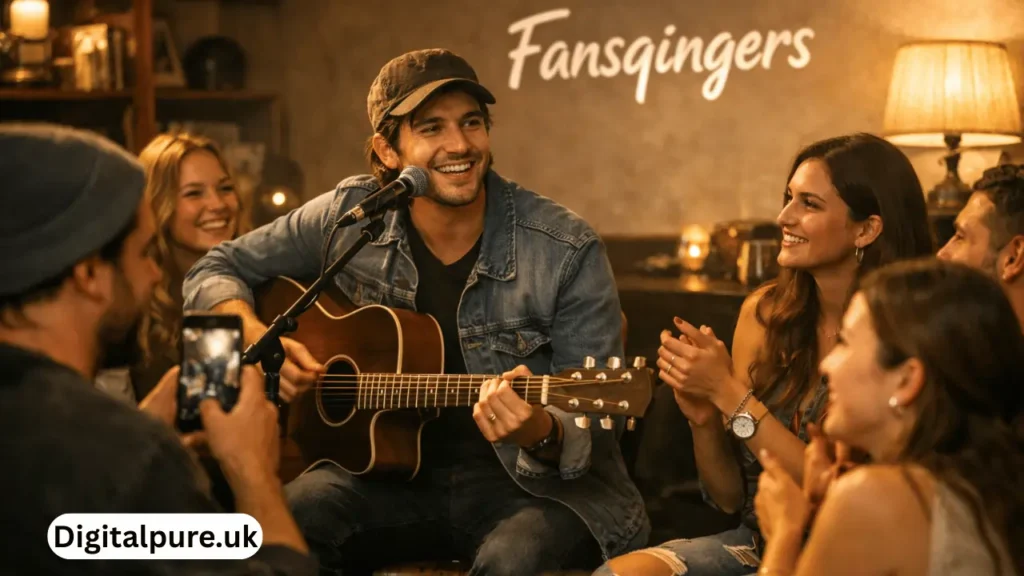

Introduction
Most music platforms still treat listeners like passive numbers. fansqingers flips that expectation on its head. It pushes fans into the center of the experience, not as spectators, but as participants who shape visibility, momentum, and even income streams. Once you notice how fansqingers operates, it becomes hard to ignore how outdated traditional music engagement feels in comparison.
The shift from audience to active participation
There’s a clear difference between liking a song and being involved in an artist’s journey. fansqingers thrives in that gap. It gives fans a reason to stick around, respond, and invest attention beyond a single stream.
On older platforms, interaction ends at a comment or a share. With fansqingers, the relationship doesn’t stop there. Fans follow progress, react to unfinished work, and sometimes influence what gets released. That changes behavior. People don’t just consume—they return, track, and contribute.
This shift matters because attention is no longer cheap. Artists who build around fansqingers aren’t chasing reach alone; they’re building retention. And retention always wins long-term.
Why artists are taking fansqingers seriously
Independent artists aren’t waiting for permission anymore. fansqingers gives them a direct line to the people who actually care, without needing approval from labels or media channels.
The biggest advantage is control. Artists decide what to share, when to share it, and who gets access. That might mean early demos for loyal followers or private live sessions for paying supporters. The result is a tighter, more responsive fanbase.
There’s also a financial angle that can’t be ignored. With fansqingers, income doesn’t rely entirely on streaming payouts. Artists can build smaller, more reliable revenue streams through subscriptions, exclusive drops, or fan contributions. It’s not about going viral—it’s about staying sustainable.
Fansqingers creates a different kind of loyalty
Casual listeners disappear quickly. Loyal fans stick around because they feel involved. fansqingers leans heavily into that difference.
When fans get access to behind-the-scenes content or direct interaction, they develop a sense of proximity. That doesn’t happen on platforms where artists feel distant or unreachable. fansqingers closes that gap.
And loyalty here isn’t abstract. It shows up in actions:
- Fans show up consistently, not occasionally
- They support releases early
- They engage with content that isn’t polished or final
That level of involvement builds a stronger foundation than viral spikes ever could.
The role of exclusivity in keeping attention
Not everything should be available to everyone. fansqingers understands this better than most platforms.
Exclusivity isn’t about locking people out—it’s about rewarding attention. When fans know they’ll get something others won’t, they pay closer attention. That could be early access, private chats, or limited content drops.
This approach also filters the audience. Instead of chasing random traffic, fansqingers helps artists focus on people who are actually invested. That makes engagement more meaningful and less noisy.
The result is a smaller but stronger community. And in most cases, that’s far more valuable.
Where fansqingers outperforms traditional platforms
Streaming platforms still dominate numbers, but they fall short in depth. fansqingers operates on depth first.
On a typical streaming app, success is measured in plays. On fansqingers, success shows up in interaction, retention, and contribution. That’s a completely different metric system.
Another difference is feedback speed. Artists using fansqingers don’t have to wait months to understand what resonates. They see reactions immediately. That shortens the creative loop and allows faster adjustments.
Traditional platforms feel one-directional. fansqingers feels like a loop. That loop is what keeps people engaged.
The monetization reality most people overlook
There’s a misconception that only massive artists can earn meaningful income. fansqingers challenges that idea directly.
A smaller artist with a dedicated following can often outperform a larger artist with passive listeners. Why? Because engagement converts. fansqingers makes it easier to turn attention into support without relying on massive scale.
This doesn’t mean easy money. It requires consistency, presence, and genuine interaction. Audiences can tell when someone is just trying to extract value. fansqingers rewards artists who actually show up.
It also changes how value is perceived. A single loyal fan can be worth more than thousands of casual listeners. That’s not theory—it’s visible in how these communities behave.
The pressure of constant engagement
There’s a downside that doesn’t get talked about enough. fansqingers demands attention from both sides.
Artists are expected to stay active, respond, and maintain presence. That can become exhausting if boundaries aren’t clear. Not every creator wants to be accessible all the time.
Fans also develop expectations. Once they’re used to direct interaction, silence feels noticeable. That creates pressure to keep the loop going.
The challenge is balance. Artists who manage fansqingers well set clear limits while still staying engaged. Those who don’t often burn out.
Community dynamics are changing fast
Fansqingers isn’t just about artists—it’s about how fans interact with each other too.
Communities built around fansqingers tend to be more active and self-sustaining. Fans discuss content, share interpretations, and even promote the artist voluntarily. That creates momentum that doesn’t rely entirely on the artist’s output.
There’s also a sense of identity involved. Being part of a smaller, engaged group feels different than being one of millions. fansqingers taps into that feeling.
These communities don’t just consume music. They build culture around it.
Why not every artist succeeds with fansqingers
Not everyone benefits equally. fansqingers rewards a specific kind of approach.
Artists who treat it like a broadcasting tool usually fail. The platform works best when interaction is genuine and consistent. If the communication feels forced or transactional, fans lose interest quickly.
There’s also the issue of patience. fansqingers doesn’t deliver instant scale. Growth is slower, but more stable. That trade-off isn’t appealing to everyone.
And then there’s personality. Some artists naturally connect with audiences. Others prefer distance. fansqingers favors the former.
The future direction is already visible
It’s clear where things are heading. fansqingers is pushing toward deeper personalization and more immersive interaction.
Expect more real-time experiences, more layered access levels, and tighter integration between content and community. The gap between creator and audience will continue to shrink.
At the same time, expectations will rise. Fans will want more access, more responsiveness, and more value. That pressure will shape how artists use fansqingers moving forward.
Those who adapt will build stronger ecosystems around their work. Those who don’t will struggle to keep attention.
Conclusion
fansqingers doesn’t reward noise. It rewards connection. That’s the difference most people miss.
The artists who succeed here aren’t the loudest—they’re the most consistent, the most present, and the most willing to treat fans like participants instead of numbers. That shift isn’t optional anymore. It’s already happening.
The real question isn’t whether fansqingers works. It’s whether artists and fans are willing to engage at the level it demands.
FAQs
1. Can small artists realistically grow using fansqingers?
Yes, but growth looks different. It’s slower and more focused on retention rather than sudden spikes. Artists who stay consistent tend to build stronger long-term audiences.
2. Does fansqingers replace traditional streaming platforms?
No, it works alongside them. Streaming brings exposure, while fansqingers builds deeper relationships and engagement.
3. How much time does fansqingers require from artists?
More than passive platforms. Regular interaction, updates, and presence are expected, which can become demanding without clear boundaries.
4. What kind of content performs best on fansqingers?
Unpolished, behind-the-scenes, and interactive content tends to perform better than highly produced material because it feels more personal.
5. Is fansqingers suitable for every music genre?
Not equally. Genres with strong fan communities and emotional engagement tend to perform better than those driven purely by casual listening.
You May Also Read: The Blog Band Thorn-Magazine Site: Indie Music Authority, Reviews, and Artist Insights