
Introduction
There’s a reason koriandri keeps showing up in kitchens that actually care about flavor. It’s not just decoration, and it’s definitely not optional. If your food tastes flat, chances are you’re either skipping koriandri or using it wrong. The difference it makes isn’t subtle—it’s the line between food that’s forgettable and food people ask about.
The flavor shift koriandri brings to real cooking
Koriandri has a way of changing how a dish lands on your palate. Not by overpowering it, but by lifting everything else. Fresh koriandri leaves cut through heaviness. The seeds add warmth without turning bitter.
That balance is what makes koriandri stand out. It doesn’t dominate like chili or garlic. It supports. In a rich curry, koriandri keeps things from becoming too dense. In lighter dishes, it adds just enough complexity to avoid blandness.
People who dislike koriandri usually had a bad first experience—too much, too raw, or thrown in without thought. Used properly, koriandri doesn’t shock your taste buds. It sharpens them.
Why koriandri works across completely different cuisines
You’ll find koriandri in kitchens that have nothing else in common. South Asian curries, Middle Eastern spice blends, Latin American salsas—they all rely on it in different ways.
That’s not coincidence. Koriandri adapts.
In Indian cooking, koriandri is often layered—seeds in the base, leaves at the finish. In Mexican food, fresh koriandri brings brightness to heavy ingredients like beans and meat. In Middle Eastern dishes, ground koriandri adds depth without overwhelming other spices.
Very few ingredients can move between cuisines like that without losing their identity. Koriandri manages it because its flavor sits in that rare middle ground: noticeable, but flexible.
Fresh vs dried koriandri isn’t a small difference
Treating fresh and dried koriandri as interchangeable is one of the most common mistakes.
Fresh koriandri has a sharp, green, almost citrus-like edge. It works best at the end of cooking or as a garnish. Heat kills its freshness quickly, so tossing it in too early wastes it.
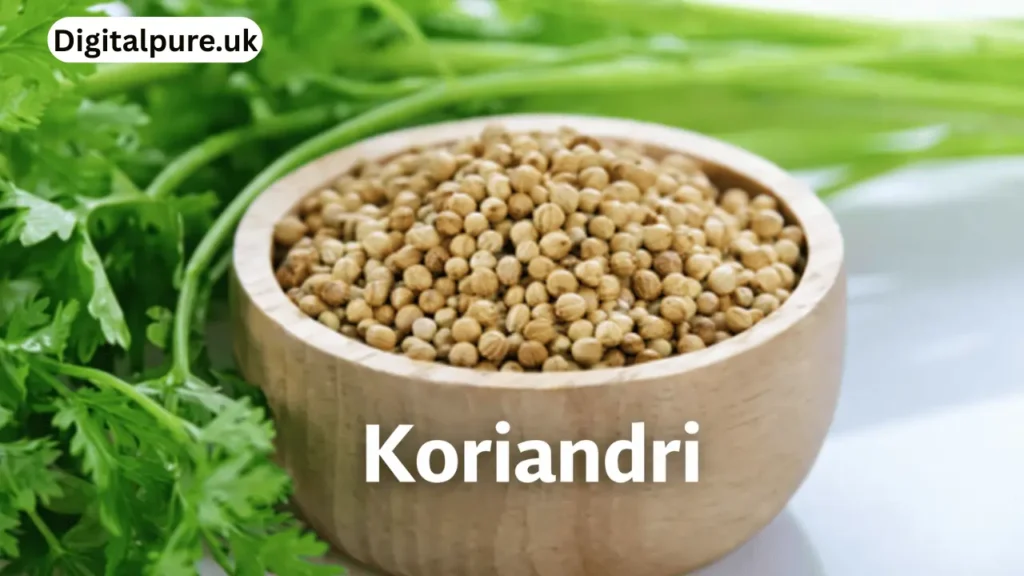
Dried koriandri seeds are the opposite. They need heat. Toasting them releases oils that deepen their flavor. Ground koriandri blends into sauces and spice mixes, adding warmth that builds over time.
If you’re using koriandri seeds straight from the jar without toasting, you’re leaving flavor on the table. And if you’re cooking fresh koriandri for too long, you’re basically erasing it.
The real health angle behind koriandri
People talk about koriandri in health terms all the time, but most of that conversation is shallow. The real value isn’t in treating it like medicine. It’s in how naturally it fits into better eating habits.
Koriandri supports digestion in a very practical way. Heavy meals feel lighter when it’s included. That’s not marketing—it’s something you notice after eating.
It also carries compounds that help balance blood sugar and reduce inflammation. But here’s the thing: no one is eating koriandri in isolation. Its benefits show up when it’s part of a consistent diet.
Adding koriandri to meals isn’t about chasing health trends. It’s about making food that your body handles better without sacrificing taste.
Where koriandri actually makes the biggest difference
Not every dish needs koriandri. But when it works, it really works.
Take chutneys. Without koriandri, they lose their identity. The freshness disappears. The same goes for salsas—koriandri is what makes them feel alive instead of just chopped vegetables.
In curries, koriandri seeds are often part of the foundation. Remove them, and the dish feels incomplete. Not bad, just lacking something you can’t quite name.
Even simple rice dishes benefit. A handful of chopped koriandri at the end can turn plain rice into something worth paying attention to.
This isn’t about adding koriandri everywhere. It’s about knowing where it matters.
Growing koriandri at home changes how you use it
Store-bought koriandri is fine, but it’s not the same. Once you grow it yourself, you start using it differently.
Freshly picked koriandri has more intensity. The leaves are brighter, the stems more aromatic. You stop treating it like a garnish and start building dishes around it.
It’s also one of the easier herbs to grow. It doesn’t demand perfect conditions. A small pot, some sunlight, and regular watering are enough to keep koriandri growing.
And when you have a steady supply, you stop being conservative with it. You experiment more. You add koriandri to dishes you wouldn’t have considered before.
That’s where it becomes part of your cooking style, not just an ingredient.
The mistakes that ruin koriandri instantly
Koriandri isn’t hard to use, but it’s easy to mess up.
The biggest mistake is overusing it. Too much fresh koriandri can overpower a dish and leave a soapy aftertaste for some people. Balance matters.
Another issue is poor timing. Adding fresh koriandri too early in cooking kills its flavor. On the flip side, skipping the toasting step for seeds results in a dull taste.
Storage is another weak point. Koriandri wilts fast. If you’re leaving it in the fridge uncovered, you’re shortening its life. Wrapping it in a damp paper towel helps it last longer.
And then there’s the habit of ignoring the stems. They carry a lot of flavor. Throwing them away is wasteful.
Why koriandri divides people—and why that doesn’t matter
Some people insist koriandri tastes unpleasant. That reaction is real, and it’s tied to genetics. But it’s also exaggerated.
In most cooked dishes, koriandri doesn’t dominate enough to trigger that reaction. It blends in. The issue usually comes from raw, heavy use.
If you’re cooking for a mixed group, adjusting how you use koriandri solves the problem. Use seeds instead of leaves, or add fresh koriandri lightly at the end.
Avoiding koriandri entirely because a few people dislike it is an overcorrection. Used thoughtfully, it rarely becomes an issue.
The role of koriandri in modern cooking habits
Koriandri fits naturally into how people cook today—quick meals, bold flavors, less reliance on processed ingredients.
It doesn’t need complicated techniques. It works in simple dishes. A basic salad, a quick stir-fry, even scrambled eggs can benefit from a bit of koriandri.
It also pairs well with other strong ingredients. Garlic, ginger, chili—they all work better with koriandri balancing them out.
As cooking becomes more about efficiency without sacrificing taste, koriandri becomes more relevant, not less.
Conclusion
Koriandri isn’t just another herb sitting in the background. It’s one of those ingredients that quietly upgrades everything it touches—if you actually respect how it works. Use it carelessly, and it disappears or overwhelms. Use it properly, and it brings clarity to flavors that would otherwise feel dull.
The real shift happens when you stop treating koriandri as optional. Once it becomes a deliberate part of your cooking, you start noticing how much it was missing before. That’s the difference between following recipes and actually understanding food.
FAQs
1. Can koriandri be used in drinks or only in food?
Yes, koriandri can work in drinks too. Fresh koriandri is sometimes blended into green juices or used in herbal drinks for a refreshing edge.
2. How do you keep koriandri fresh for longer in the fridge?
Wrap it in a slightly damp paper towel and store it in a container or plastic bag. This slows down wilting.
3. Is it better to chop or tear koriandri leaves?
Tearing by hand keeps more of the natural oils intact, but chopping is fine if done just before use.
4. Can koriandri seeds be eaten raw?
They can, but they taste much better when lightly toasted. Heat brings out their full flavor.
5. What foods don’t pair well with koriandri?
Very sweet dishes and desserts usually don’t work well with koriandri. Its flavor clashes with sugary profiles.
You May Also Read: 264.68.111.161: Invalid IP Patterns Exposing Validation Flaws and System Gaps