
Introduction
There’s a tendency to treat creamy cheeses as background players, something to melt, spread, or hide under stronger ingredients. That’s a mistake. masgonzola doesn’t belong in the background. It changes the entire direction of a dish, and once you start cooking with it intentionally, it’s hard to go back to safer, more predictable options.
Why masgonzola feels different from the first bite
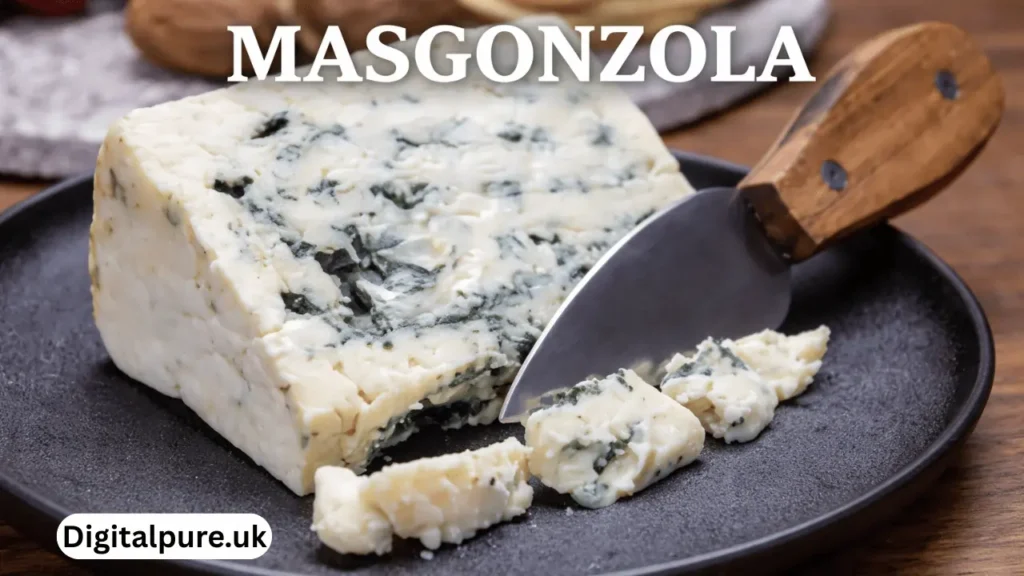
The first thing that stands out about masgonzola is how it avoids the usual extremes. It doesn’t hit you with the aggressive sharpness that turns people away from blue cheese, and it doesn’t sit quietly like a basic cream cheese either. It lands somewhere in between, with enough character to stay interesting and enough softness to stay approachable.
That balance matters more than people think. In real cooking—not staged photos or restaurant plates—you need ingredients that adapt. masgonzola does that without losing its identity. It spreads easily, melts cleanly, and still leaves behind a distinct flavor that doesn’t disappear under heat.
This is exactly why it works across different types of dishes. It doesn’t demand control; it cooperates.
The real advantage: control over intensity
Cooking with strong cheese often turns into damage control. Add a little too much, and the dish becomes overwhelming. Add too little, and it feels pointless. masgonzola removes that tension.
You can push it in either direction.
Want something richer? Use more and let it dominate a sauce.
Need subtlety? Blend it lightly into a base and let it round out sharper ingredients.
That level of control is rare, and it’s the main reason masgonzola fits both casual home cooking and more deliberate recipes.
Where masgonzola actually performs best
Not every ingredient deserves universal praise. masgonzola works brilliantly in certain situations and feels unnecessary in others. Knowing the difference is what separates a decent dish from a memorable one.
Pasta that doesn’t rely on cream overload
Most creamy pasta recipes lean too heavily on cream. The result is predictable—thick, heavy, and forgettable. masgonzola fixes that by bringing both texture and flavor in one move.
A simple combination of butter, a small amount of pasta water, and masgonzola creates a sauce that feels complete without needing extra layers. Add black pepper and a handful of spinach, and the dish already has structure.
It doesn’t need garlic overload or extra cheese on top. It holds on its own.
Pizza that avoids the usual monotony
Pizza toppings tend to fall into patterns. Tomato, mozzarella, maybe something salty. masgonzola breaks that routine without making the pizza feel experimental.
It pairs especially well with ingredients that lean sweet or earthy—caramelized onions, mushrooms, even thin slices of pear. The cheese melts into pockets instead of forming a uniform layer, which gives each bite a slightly different balance.
That unpredictability is what makes it interesting.
Cold applications that actually feel intentional
Spreadable cheeses often end up as fillers in sandwiches. masgonzola deserves better treatment.
On a piece of toasted bread with a drizzle of honey and crushed walnuts, it becomes the center of attention. Add fresh figs or sliced apple, and it turns into something that feels composed rather than assembled.
This is where its texture matters most. It doesn’t crumble awkwardly or resist spreading. It moves easily, which makes it practical for quick dishes that still feel thought-through.
masgonzola vs stronger blue cheeses: an honest comparison
There’s no point pretending all blue cheeses serve the same purpose. They don’t.
Stronger varieties demand commitment. They dominate everything around them. That can work in very specific recipes, but it limits flexibility. masgonzola, on the other hand, adapts without losing presence.
It’s the better choice when:
- You want flavor without aggression
- You’re cooking for people with mixed preferences
- The dish needs balance rather than contrast
Stronger blue cheeses still have their place, especially in dishes designed around intensity. But for everyday cooking, masgonzola simply fits more situations without requiring adjustments.
The texture factor most people overlook
Flavor gets all the attention, but texture is where masgonzola quietly wins.
It spreads without resistance, melts without separating, and blends into sauces without turning grainy. That consistency makes it reliable. You don’t have to second-guess how it will behave under heat or pressure.
This becomes especially important in quick cooking. When you’re not measuring everything precisely, you need ingredients that stay stable. masgonzola does that without demanding precision.
Pairings that actually elevate masgonzola
Pairing cheese isn’t about throwing random ingredients together and hoping they work. masgonzola responds best to contrast.
Sweet elements bring out its softer side.
Earthy ingredients deepen its flavor.
Acidity keeps it from feeling heavy.
Some combinations stand out more than others:
- Pear slices with masgonzola create a clean contrast that feels deliberate
- Roasted mushrooms and masgonzola lean into depth without becoming overwhelming
- A touch of honey over masgonzola highlights its creamy base without turning it into dessert
What doesn’t work as well? Overly salty pairings. They flatten the nuance and push the cheese into the background.
Why masgonzola fits modern home cooking
Home cooking has shifted. People want ingredients that deliver results without turning the process into a project. masgonzola fits that shift perfectly.
It doesn’t require long preparation.
It doesn’t need complex balancing.
It doesn’t punish small mistakes.
You can build a dish around it in minutes and still end up with something that feels intentional. That’s rare.
More importantly, it scales. A quick lunch, a dinner for guests, or even a late-night snack—masgonzola adjusts without feeling out of place.
Mistakes that ruin masgonzola-based dishes
Not every attempt works, and the mistakes are usually predictable.
Overheating is the biggest one. masgonzola doesn’t need aggressive heat. Push it too far, and you lose the smooth texture that makes it valuable in the first place.
Another issue is overloading the dish with competing flavors. Strong spices, heavy sauces, or too many ingredients can bury what makes masgonzola worth using.
And then there’s the habit of treating it like a finishing touch instead of a core ingredient. When it’s used as an afterthought, it feels unnecessary. When it leads the dish, everything else falls into place.
masgonzola in simple, repeatable meals
Not every meal needs to impress someone. Some just need to work—consistently.
masgonzola earns its place here.
Stir it into warm pasta with a bit of reserved cooking water, and you have a reliable meal in under fifteen minutes. Spread it onto bread with leftover roasted vegetables, and lunch is handled without effort.
These aren’t flashy uses, but they’re the ones that matter most. Ingredients that survive everyday cooking without losing their appeal are the ones that stay in rotation.
A realistic take on its limitations
It’s easy to overpraise ingredients, but masgonzola isn’t perfect.
It won’t replace sharper cheeses in dishes that depend on intensity. It won’t carry heavily spiced recipes where bold flavors are the focus. And it’s not the right choice when you need structure instead of softness.
But those aren’t weaknesses—they’re boundaries. And once you understand them, it becomes easier to use masgonzola where it actually shines.
Conclusion
masgonzola isn’t trying to compete with stronger cheeses or replace classic staples. It succeeds because it doesn’t force a direction. It gives you room to adjust, experiment, and still end up with something that works.
Most ingredients demand precision or experience. masgonzola asks for neither—and still delivers.
If there’s one takeaway, it’s this: stop treating it like a supporting ingredient. Build around it, and it will carry more than you expect.
FAQs
1. Can masgonzola be used as a direct substitute for cream in pasta sauces?
Yes, but with adjustment. It adds both fat and flavor, so you’ll need less seasoning and often less additional cheese.
2. Does masgonzola work in baked dishes like casseroles?
It does, but keep the temperature moderate. High heat can affect its smooth consistency.
3. What’s the best way to store masgonzola after opening?
Wrap it tightly and keep it refrigerated. It holds well, but exposure to air will dry out the texture faster than firmer cheeses.
4. Can masgonzola be eaten on its own without pairing?
It can, but it becomes more interesting with contrast—something sweet or fresh brings out its full character.
5. Is masgonzola suitable for people who dislike strong blue cheese?
In most cases, yes. It keeps the depth without the intensity that usually turns people away.
You May Also Read: Koriandri: Powerful Benefits, Uses and Practical Cooking Tips That Work