
Introduction
Trying to pin down vscompany into a single definition misses the point entirely. What makes vscompany interesting is how it shows up across completely different industries and still manages to carry a consistent sense of purpose. Whether it’s water conservation in India or industrial systems in Europe, vscompany keeps appearing in places where practical work matters more than branding hype. That alone makes it worth examining closely.
The quiet rise of vscompany across industries
vscompany doesn’t follow the usual path of a single brand expanding into multiple sectors. Instead, it shows up as a shared identity used by businesses that operate independently but often share a similar mindset: service-driven, project-based, and grounded in real-world execution.
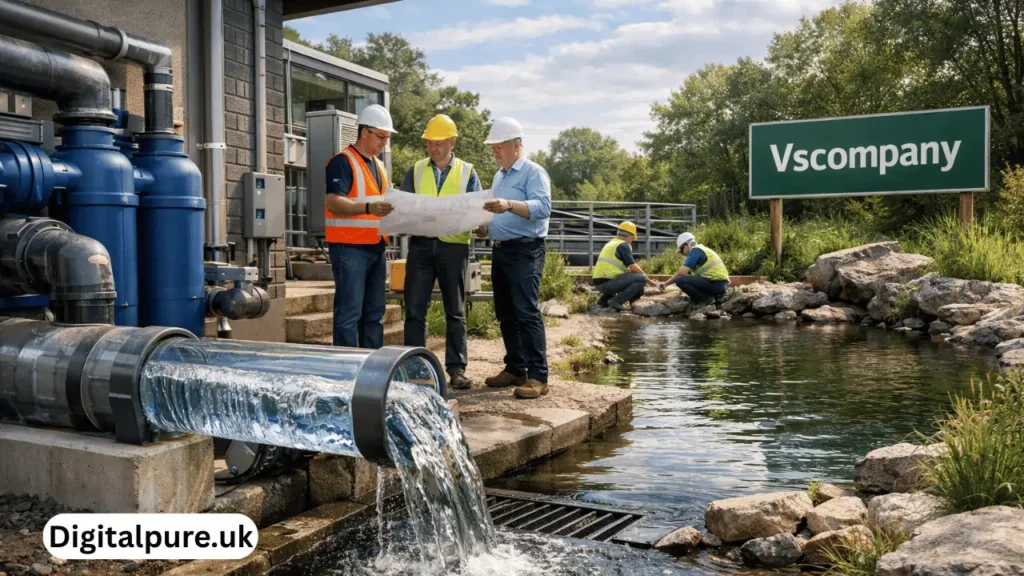
In India, vscompany is closely tied to environmental work—specifically water management. This includes rainwater harvesting systems, groundwater monitoring, and restoring natural water bodies. These aren’t small, experimental projects. They often involve working with local governments, construction firms, and communities where water scarcity is not theoretical—it’s daily life.
At the same time, another vscompany operates in parts of Europe, focusing on electrical installations, fire safety systems, and industrial assembly. This version of vscompany is rooted in infrastructure. It’s less about environmental impact and more about precision, compliance, and large-scale project delivery.
What connects these two is not industry—it’s execution. vscompany tends to exist where work is measurable, outcomes are visible, and results can’t be faked.
Why vscompany keeps appearing in service-heavy sectors
There’s a reason vscompany isn’t commonly seen in flashy consumer markets. It fits naturally into industries where trust, reliability, and long-term performance matter more than brand storytelling.
In water management, for example, vscompany projects often deal with systems that must function for years without failure. A poorly designed rainwater harvesting system can cause flooding, contamination, or simply fail to store water effectively. That kind of risk forces a company to focus on engineering quality, not marketing language.
The same applies in industrial environments. When vscompany is involved in electrical systems or fire protection, the margin for error is essentially zero. These are regulated environments where mistakes lead to legal consequences or worse.
So vscompany ends up in sectors where:
- The work is technical
- The results are measurable
- The clients expect accountability
That’s not accidental. It’s a natural fit.
Water conservation projects that actually make a difference
The environmental side of vscompany deserves attention because it deals with a problem that isn’t going away: water scarcity.
In regions where groundwater levels are dropping, vscompany has been involved in installing rainwater harvesting systems that capture and store rain for later use. This isn’t just about placing tanks or pipes. It involves site analysis, soil testing, and designing systems that match local rainfall patterns.
Another major area is lake and pond restoration. Many urban water bodies have been neglected or polluted over time. vscompany projects often focus on cleaning, desilting, and redesigning these water bodies so they can function again as natural reservoirs.
There’s also work involving piezometers—devices used to measure groundwater pressure. These are critical for monitoring how water levels change over time. Without this data, any conservation effort becomes guesswork.
What stands out is that vscompany doesn’t operate in isolation. These projects usually involve coordination with municipalities, engineers, and environmental planners. It’s messy, slow work—but when done right, the impact is visible.
Industrial vscompany: less visible, just as critical
The European side of vscompany operates in a completely different environment but carries the same emphasis on execution.
Electrical installations, for instance, are not just about wiring buildings. They involve planning load distribution, ensuring safety compliance, and integrating systems that can handle long-term use without failure. vscompany projects in this space often support commercial buildings, factories, and infrastructure developments.
Fire protection systems are another key area. These systems must meet strict regulatory standards and function instantly in emergencies. There’s no room for improvisation. vscompany’s involvement here suggests a focus on precision and adherence to safety protocols.
Industrial assembly and construction work add another layer. These projects often require coordination between multiple teams, tight deadlines, and strict quality control. vscompany’s presence in this space indicates an ability to manage complexity without losing control over details.
It’s not glamorous work. But it’s the kind that keeps systems running.
The branding advantage of a flexible identity
One of the more interesting aspects of vscompany is how adaptable the name is. It doesn’t lock itself into a specific product, service, or industry. That flexibility allows different businesses to adopt it without creating confusion within their own markets.
In a way, vscompany functions more like a framework than a traditional brand. It gives businesses a clean, neutral identity that can be shaped based on their services.
This is especially useful for service-based companies that don’t rely on mass marketing. They don’t need a flashy name. They need something that feels professional, adaptable, and easy to remember.
vscompany checks those boxes.
Where vscompany works—and where it doesn’t
Not every industry benefits from a name like vscompany. It works best in environments where the work speaks for itself.
In technical fields, clients care more about results than branding. A construction firm or a municipal authority isn’t choosing a contractor based on how creative the name sounds. They’re looking at experience, reliability, and past projects.
That’s where vscompany fits perfectly.
But in consumer-driven markets—fashion, entertainment, or lifestyle products—the name might struggle. These industries rely heavily on emotional connection, storytelling, and distinct identity. vscompany, by design, stays neutral. That neutrality can become a limitation when differentiation is critical.
So vscompany thrives in:
- Infrastructure
- Environmental services
- Industrial operations
And it’s less effective in:
- Consumer branding
- Entertainment
- Trend-driven markets
That contrast is important. It shows that vscompany isn’t trying to be everything—and that’s part of its strength.
The operational mindset behind vscompany
Looking at how vscompany operates across sectors, a pattern starts to emerge. It’s not about innovation for the sake of visibility. It’s about solving specific problems with practical solutions.
In water management, that means designing systems that actually collect and store water effectively. In industrial settings, it means installing systems that meet strict standards and continue working without constant intervention.
There’s a clear preference for:
- Function over form
- Long-term reliability over short-term impact
- Technical execution over branding noise
That mindset doesn’t attract attention quickly. But it builds credibility over time.
And in the sectors where vscompany operates, credibility matters more than visibility.
vscompany and the future of service-based businesses
As industries become more specialized, the demand for companies that can deliver reliable, technical work is increasing. vscompany sits comfortably in that space.
Water scarcity isn’t going away. Infrastructure projects are becoming more complex. Safety regulations are getting stricter. All of these trends point toward a growing need for companies that can handle detailed, high-stakes work.
vscompany is already positioned in those areas.
What’s likely to change is how these companies present themselves. While vscompany has traditionally stayed low-profile, there’s room for stronger digital presence, clearer communication of services, and better documentation of projects.
Not for marketing hype—but for transparency.
Because in technical industries, trust often comes from visibility into past work.
Conclusion
vscompany works because it doesn’t try to impress. It shows up where the work is difficult, the expectations are high, and the results can’t be faked. That’s why it keeps appearing in industries that most brands avoid—water systems, infrastructure, industrial safety.
If there’s one takeaway, it’s this: vscompany isn’t built for attention. It’s built for accountability. And in the long run, that tends to matter more.
FAQs
1. Why do different businesses use the name vscompany instead of creating unique brand names?
Because the name is flexible and neutral, it allows businesses to focus on their services rather than building a heavily differentiated brand identity.
2. Is vscompany more common in certain industries?
Yes, it appears more often in technical and service-based sectors like water management, construction, and industrial systems.
3. Does vscompany operate globally as one organization?
No, it exists as separate entities in different regions, each operating independently within its own industry.
4. What makes vscompany suitable for infrastructure and environmental projects?
The name aligns well with industries where reliability and execution matter more than branding or marketing appeal.
5. Can vscompany expand into consumer-focused markets successfully?
It’s possible, but the neutral branding may limit its ability to stand out in markets that rely heavily on emotional connection and storytelling.
You May Also Read: Bursiter: Early Signs, Causes, Treatment and Prevention Guide